Umwelt | Wasser & Boden, 06.12.2024
The UNCCD COP16 in Riyadh: A Trojan Horse for Change?
Merijn Dols from NOW Partners Foundation and Future Economy Forum reports for forum
Riyadh in December, a city of chaos and bustle, was surprisingly devoid of the usual fanfare associated with a major UN conference. The 16th Conference of the Parties (COP16) of the UN Convention to Combat Desertification (UNCCD) seemed almost lost in the urban clamor, a subtle presence amidst the noise – a fitting metaphor for a convention often overlooked on the global stage.
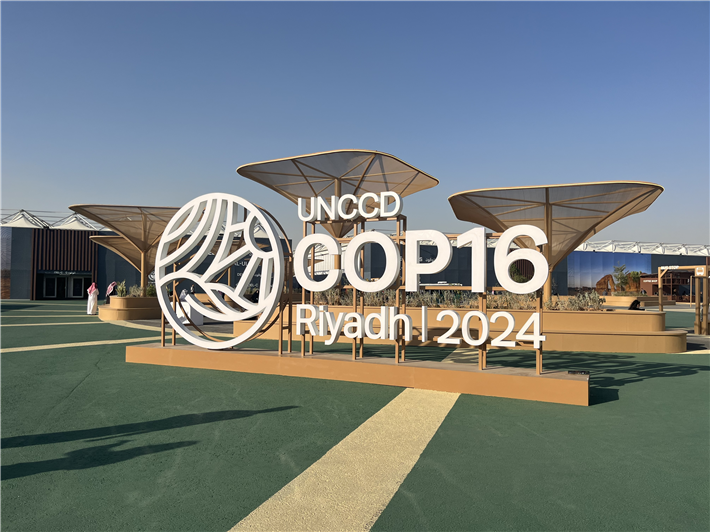
Yet, as week one of COP16 draws to a close, I'm struck by a quiet determination. This COP feels different. In a session I led alongside the AEON Collective of HH Princess Noura bint Turki Al-Saud and HH Princess Mashael AlShalan, farmers, business leaders, bankers, and NGO representatives engaged in meaningful conversations, amplifying voices often absent in the formal proceedings of the Rio Conventions.
The UNCCD, often dubbed the "forgotten convention," operates on a biannual cycle, fostering a focused and streamlined approach. This year, the spotlight shines brightly on land use, a central theme in the fight against desertification. It's remarkable that it has taken nearly three decades to place land use and regenerative agriculture front and center on the agenda. This focus has the potential to bridge the gap between the three Rio Conventions, uniting efforts to combat climate change, biodiversity loss, and land degradation. After all, land is life.
The focused nature of this gathering fosters optimism. The Riyadh Action Agenda, launched during the High-Level Dialogue on Sustainable, Resilient and Inclusive Food Systems, promises tangible action. To achieve land degradation neutrality, we must conserve and restore 1.5 billion hectares of degraded land by 2030, including 250 million hectares of agricultural land, through sustainable, inclusive, and regenerative agri-food systems. This is where the work of organizations like Sekem in Egypt and APCNF in India, which NOW Partners Foundation is scaling in countries like Sri Lanka, Zambia, and Brazil with Natural Farming Global and EoL Global’s whole systems carbon credits, becomes crucial.
Is this COP a Trojan horse, poised to elevate the UNCCD to its rightful place in the global environmental agenda? Can it maintain this momentum and effectiveness if it gains wider recognition? The absence of major media outlets raises questions about the reach of its message. Perhaps it's the relative obscurity that allows for such impactful progress.
For the first time, the UNCCD COP features pavilions and designated blue and green zones, attracting a diverse array of stakeholders. This dynamic shift fosters collaboration and knowledge sharing, bridging divides between governments, businesses, and civil society. Yet, this progress necessitates increased participation, which inevitably brings its own set of challenges. Can the @UNCCD retain its focus amidst the growing crowds and inevitable "circus" that accompanies large-scale events?
Intimate gatherings, like our evening dialogue in the Tree Library, the wonderful garden of the AEON Collective, offer a surprisingly effective platform for action. Voices of changemakers and solutions owners from across the world came together, inspired by the beautiful collection of endemic trees. In such settings, initiatives are woven together, find momentum, get amplified, and scale.
The launch of the GEF Food Systems Integration Program further underscores the growing momentum. With its emphasis on restoring ecosystems and promoting sustainable food systems, the program offers a beacon of hope. Hindou Oumarou Ibrahim's powerful words at the launch resonated deeply: "Coming from the Sahel, we need to invest in the food that restores ecosystems and fills the empty stomachs of the region." This COP, more than any before, seems poised to translate words into action.
Despite the exhaustion that comes with a year packed with environmental conferences across the globe, a sense of urgency prevails. The latest scientific reports paint a stark picture, reminding us that the time for action is now. As the second week of COP16 unfolds, the question remains: can this "forgotten convention" finally emerge from the shadows and galvanize the world to protect our precious land resources? Only time will tell.
Note: In the issue of forum 01-25, we take an in-depth look at the topics of soil degradation and regenerative agriculture. Save your copy now!
Kontakt: NOW Partners, Merijn Dols | merijn@now.partners | www.now.partners
Quelle: NOW Partners Foundation


Die Natur lebt vom Kreislauf – und wir?
forum 04/2026
- Kreislaufwirtschaft
- Biodiversität
- Bildung
- Wasserweisheiten
- Altöl im Kreislauf
Kaufen...
Abonnieren...
08
OKT
2026
OKT
2026
forumESGready - Fortsetzung unserer beliebten Online-Events ab 8. Oktober
Transformation im Mittelstand: Aktuelle relevante Themen in drei Terminen
Online
Transformation im Mittelstand: Aktuelle relevante Themen in drei Terminen
Online
20
OKT
2026
OKT
2026
Personalmesse München powered by Zukunft Personal
Die Messe für Recruiting, Personalmanagement, BGM und Weiterbildung
80939 München
Die Messe für Recruiting, Personalmanagement, BGM und Weiterbildung
80939 München
23
NOV
2026
NOV
2026
European Sustainability Week
Built on Trust. Driven by Insight. Focused on Impact. - Ticketrabatt für forum-Leser*innen
53639 Königswinter
Built on Trust. Driven by Insight. Focused on Impact. - Ticketrabatt für forum-Leser*innen
53639 Königswinter


Anzeige

Der Mittelstand im ESG-Dschungel. Sie müssen nicht alles machen. Sie müssen nur wissen, was.
Sie erhalten einen klaren Fahrplan: was jetzt zu tun ist, was Sie auf dem Schirm behalten sollten und was Sie getrost ignorieren können.
Naturschutz
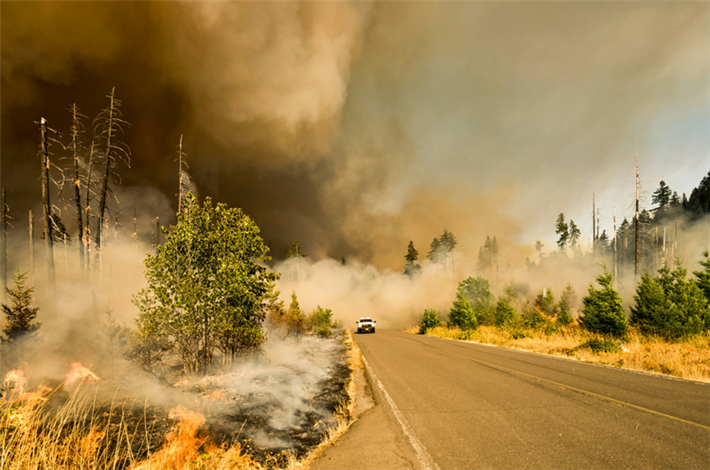 Urlaub machen, wo die Feuerwehr im Dauereinsatz ist?
Christoph Quarchs philosophischer Blick auf die verheerenden Brände in Südeuropa und jetzt auch Schottland
Jetzt auf forum:
Januar 2027: Kommt die ESG-Berichtspflicht für den Mittelstand?
MBA Sustainability Management: Live-Podcast und 42 neue Absolvent*innen
Es brennt! Doch kaum regnet es, ist alles vergessen …
Wie smarte Technologie Würde und Sicherheit im Alter sichert
LEEF wird fürs Nachhaltigkeitsmanagement ausgezeichnet
Konkrete Gefahren für Betriebe
Nachhaltigkeit beginnt mit gutem Design
Bereits über 70 Veranstaltungen für Munich Climate Week 2026 angekündigt