Gesellschaft | Green Cities, 19.05.2026
C40 Cities & UN-Habitat Urban Planning Accelerator Takes Centre Stage During World Urban Forum in Baku
The Accelerator has already been endorsed by 33 major cities across the globe
33 global cities commit to adopting a climate-responsive urban planning model by 2035 to cut emissions, reduce climate risks, and build more inclusive and resilient urban futures.
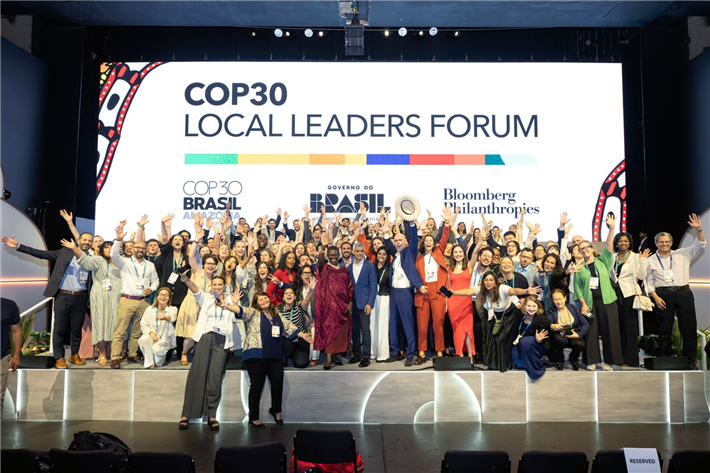 As cities around the world face escalating climate threats, housing shortages, and entrenched inequality, the C40 Cities and UN-Habitat Urban Planning Accelerator emerged as a major highlight of the World Urban Forum.
 Showcasing urban planning as a powerful tool to address these interlocking crises, the Accelerator has already been endorsed by 33 major cities across the globe. By committing to adopt a climate-responsive urban planning model by 2035, these mayors are leading the essential shift away from outdated development and towards building more inclusive, resilient, and emissions-cutting urban futures.
The accelerator was presented to delegates during the session "Urban Planning is Climate Action: The C40–UN-Habitat Accelerator,” in Baku, the initiative supports mayors and city governments in transitioning away from outdated urban development models characterised by urban sprawl, car-oriented growth, and rigid land-use zoning. Instead, the Accelerator promotes a climate-responsive urban planning model that prioritises people, the planet, and shared prosperity. Through technical support, policy guidance, political leadership, peer learning, and access to global expertise, the initiative equips cities with the tools needed to embed climate action directly into master plans, land-use strategies, urban development frameworks, and housing policies.
At the heart of the initiative is a shared commitment from cities to fundamentally rethink how urban areas are planned, designed, and managed in the face of accelerating climate risks and rapid urbanisation.Under the initiative, signatory cities commit to:
- Reducing greenhouse gas emissions through compact, polycentric, and connected urban development;
- Reducing climate vulnerability through risk-informed, nature-positive, and inclusive planning approaches;
- Prioritising regeneration and densification over urban sprawl;
- Encouraging mixed-use neighbourhoods and transit-oriented development;
- Restricting new development in high climate-risk areas;
- Protecting and restoring natural systems that shield cities from extreme weather events;
- Expanding adequate and affordable housing to improve quality of life and resilience for vulnerable communities.
Launched in Rio de Janeiro, Brazil, during the 2025 C40 World Mayors Summit last November, the accelerator builds upon the Jameel C40 Urban Planning Climate Labs, a partnership between C40 Cities and Community Jameel.
Dr. Nasiphi Moya, Mayor of Tshwane, South Africa, said:
"The City of Tshwane is proud to stand alongside other global cities in advancing climate-responsive urban planning. For us, this is not only about meeting climate targets, but about building a city that is more resilient, more inclusive, and better connected for all residents. We are already driving initiatives aligned with the Accelerator’s principles, including strengthening transit-oriented development, protecting environmentally sensitive areas, and promoting more integrated urban growth. Through collaboration with other cities, we are showing that local government has a critical role to play in leading the transition towards a more sustainable urban future.”
Evandro Leitão, Mayor of Fortaleza, Brazil, said:
"Fortaleza is already replicating the principles of the Urban Planning Accelerator through our recently launched Master Plan, which expands environmental protection areas and guides the city’s sustainable and planned growth, prioritizing a more inclusive and resilient urban environment. The Cultural Heritage Preservation Zones in Fortaleza have increased from four to eight areas, expanding protection of the city’s historical and cultural heritage by 504.57 hectares. In addition, the municipality has promoted a 20% increase in Protected Environmental Areas. In the year that Fortaleza celebrates its 300th anniversary, the city receives a major milestone: an urban planning strategy committed to preserving its history and natural resources.”
The Accelerator surges as a response to an increasingly urgent global reality. Urban land area is now expanding up to 50% faster than population growth, and if current trends continue, urban areas could triple in size by 2050. At the same time, green spaces in and around cities have shrunk by nearly 29% between 1990 and 2020, while more than one billion people continue to live in slums and informal settlements worldwide.
Cities that embrace compact, mixed-use, and transit-oriented urban planning models could cut greenhouse gas emissions by up to 25% by 2050, according to the Intergovernmental Panel on Climate Change (IPCC), highlighting the critical role urban planning plays in achieving global climate goals.
Shubhagato Dasgupta, Chief, Planning and Finance Section, UN-Habitat, said:
"At the thirteenth session of the World Urban Forum, we are reimagining the future of cities, placing housing at the center of local climate action. The C40 and UN-Habitat Urban Planning Accelerator empowers cities to plan for people, planet, and equity, creating communities that are not only sustainable, but truly livable for all.”
Mark Watts, Executive Director of C40 Cities, said:
"This is a powerful example of how cities are already turning climate ambition into action where it matters most: on the ground, in neighbourhoods, and in people’s daily lives. Across the world, mayors are showing that good urban planning is climate action, from creating more connected and inclusive communities, to reducing emissions and protecting people from growing climate risks. The decisions cities make today about how they grow and develop will shape the resilience, health, and prosperity of urban residents for generations to come. This Accelerator is helping cities move from outdated models of urban expansion towards a future that is more sustainable, equitable, and resilient.”
The World Urban Forum session highlighted practical examples from participating cities such as Tshwane (South Africa), Fortaleza (Brazil), and Bogota (Colombia) to showcase how local governments are already embedding climate mitigation and adaptation into planning decisions. Discussions also underscored the importance of multilateral collaboration and city leadership in accelerating implementation on the ground.
The following cities are currently signatories to the Urban Planning Accelerator:
- Accra, Ghana
- Amman, Jordan
- Athens, Greece
- Barcelona, Spain
- Bogotá, Colombia
- Buenos Aires, Argentina
- Cape Town, South Africa
- Chicago, United States
- Copenhagen, Denmark
- Curitiba, Brazil
- Dar es Salaam, Tanzania
- Durban, South Africa
- Fortaleza, Brazil
- Freetown, Sierra Leone
- Guadalajara, Mexico
- Istanbul, Türkiye
- Jakarta, Indonesia
- Jeddah, Saudi Arabia
- Johannesburg, South Africa
- Karachi, Pakistan
- Lima, Peru
- Madrid, Spain
- Medellín, Colombia
- Milan, Italy
- Paris, France
- Portland, United States
- Quezon City, Philippines
- Quito, Ecuador
- Rio de Janeiro, Brazil
- Tokyo, Japan
- Tshwane, South Africa
- Vancouver, Canada
Sustainable Development Goals in Action: Financing System-Wide Urban Resilience
Cities are already delivering ambitious climate action on the ground. However, accelerating implementation of urban resilience solutions will require scaling-up and unlocking climate finance at both the domestic and international level. As cities work to deliver more resilient infrastructure, sustainable mobility, affordable housing, and nature-positive development, access to funding remains one of the biggest barriers to implementation at scale.
During WUF in Baku, C40 Cities and the Global Covenant of Mayors for Climate and Energy (GCoM) in partnership with the MDB Cities Group, came together to discuss how collaboration and multi-actor partnerships can help accelerate and unlock finance for urban resilience as part of SDGs in Action dialogue. Building on the recent report published by C40 Cities on adaptation finance and the 4th high-level roundtable between MDBs and Mayors, the session shared practical examples of project-level and systems-thinking approaches to urban resilience, demonstrating the relevance and importance of multi-actor approaches in tackling the urban climate finance gap and contributing to the newly agreed adaptation finance goal at COP30.
Kontakt: C40 Cities Climate Leadership Group Inc. | media@c40.org | www.c40.org/


Die Natur lebt vom Kreislauf – und wir?
forum 04/2026
- Kreislaufwirtschaft
- Biodiversität
- Bildung
- Wasserweisheiten
- Altöl im Kreislauf
Kaufen...
Abonnieren...
23
NOV
2026
NOV
2026
Energie- & Umweltgipfel 2026: Produzierende Industrie
Where Industrial Transformation Creates Competitive Advantage
10623 Berlin
Where Industrial Transformation Creates Competitive Advantage
10623 Berlin
23
NOV
2026
NOV
2026
European Sustainability Week
Built on Trust. Driven by Insight. Focused on Impact. - Ticketrabatt für forum-Leser*innen
53639 Königswinter
Built on Trust. Driven by Insight. Focused on Impact. - Ticketrabatt für forum-Leser*innen
53639 Königswinter
Anzeige
Der Mittelstand im ESG-Dschungel. Sie müssen nicht alles machen. Sie müssen nur wissen, was.
Sie erhalten einen klaren Fahrplan: was jetzt zu tun ist, was Sie auf dem Schirm behalten sollten und was Sie getrost ignorieren können.
Pioniere & Visionen
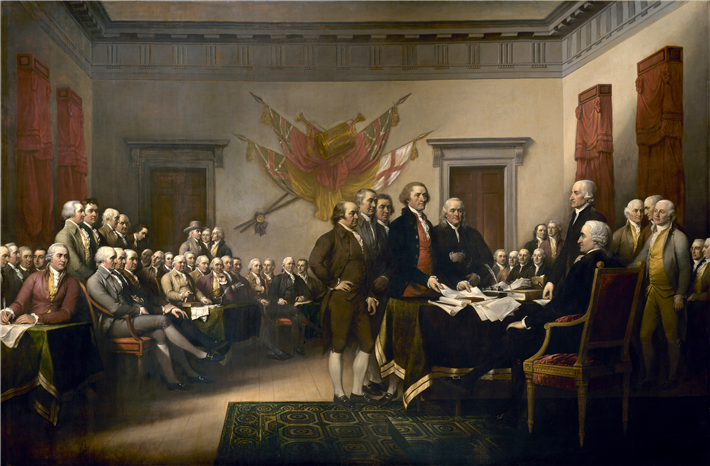 By the dawn's early light
Christoph Quarchs Überlegungen zum 250. Jahrestag der Unterzeichnung der Unabhängigkeitserklärung der Vereinigten Staaten von Amerika

Jetzt auf forum:
Alle sind aufgerufen, einen Atomkrieg zu verhindern
BN-Donauschifffahrt zeigt den Wert der frei fließenden Donau auf
Konkrete Gefahren für Betriebe
Ein Wochenende voller Musik, Kunst und Begegnung
EthioTrees ist das Leuchtturm-Projekt 2026