Lifestyle | Geld & Investment, 17.11.2024
The Versatility of SIM Cards
More Than Just Connecting Calls
SIM cards have become an integral part of modern communication, enabling mobile devices to connect to cellular networks. But over the years, their role has expanded far beyond just making calls or sending texts. From eSIMs to IoT (Internet of Things) applications, SIM cards are now at the heart of a wide array of services and industries. In this post, we will explore the different types of SIM cards, their uses, and how companies like Card Centric Limited are helping businesses integrate SIM technology into their operations.
What is a SIM Card?
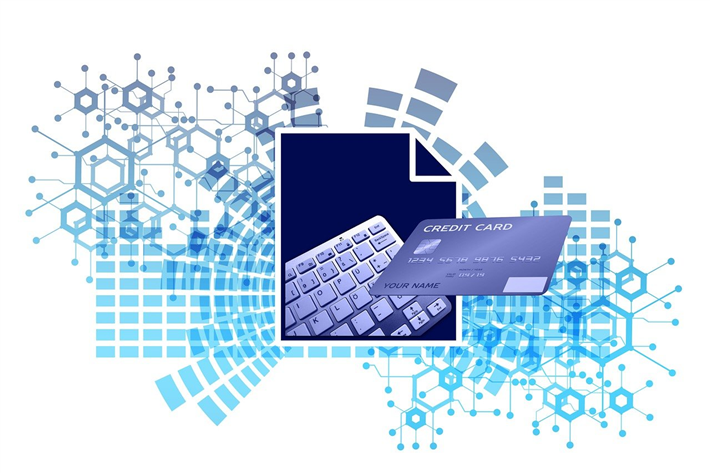 A SIM card (Subscriber Identity Module) is a small, removable card inserted into mobile devices to connect them to a mobile network. It stores essential information, such as the user’s phone number, network identity, and security keys, which help authenticate the device on the cellular network. SIM cards have evolved over time, with the introduction of nano SIMs, micro SIMs, and more recently, eSIMs.
The role of SIM cards has expanded significantly, and today, they are not just limited to mobile phones but also extend to a wide range of devices, from cars and smartwatches to home appliances and IoT systems.
Types of SIM Cards and Their Uses
1. Traditional SIM Cards
The traditional SIM card, often called a standard SIM or mini SIM, was the first version to hit the market. It is a physical card inserted into devices like mobile phones to enable cellular communication. Over the years, SIM cards have become smaller, but the fundamental purpose remains the same: to authenticate the user’s device on a mobile network.
While traditional SIM cards are still widely used, newer devices are now adopting more advanced SIM technologies for greater efficiency and flexibility.
2. Micro SIM and Nano SIM Cards
As smartphones evolved and became thinner and lighter, the size of SIM cards needed to shrink as well. Micro SIMs and nano SIMs were introduced, offering the same functionality as the standard SIM but in a much smaller form factor. These smaller SIMs are typically found in modern smartphones, tablets, and other portable devices, allowing more space for other hardware components.
3. eSIMs (Embedded SIM Cards)
The eSIM is one of the most significant advancements in SIM card technology. Unlike traditional SIM cards, which are physical cards that can be inserted and removed from devices, eSIMs are embedded directly into the device’s hardware. This digital SIM allows users to switch between network carriers remotely without the need to physically replace the SIM card. eSIMs have gained popularity due to their flexibility, especially in smartwatches, tablets, and IoT devices, where space is at a premium.
For businesses looking to take advantage of eSIM technology, Card Centric Limited provides specialized solutions to help manage and integrate eSIMs into devices and services seamlessly.
4. M2M SIM Cards
Machine-to-Machine (M2M) SIM cards are designed for communication between devices, machines, or vehicles without the need for human interaction. M2M SIMs are used in IoT devices, smart home technologies, connected cars, and other industries requiring continuous connectivity. These SIM cards ensure that data is transmitted securely between devices, enabling automation and real-time monitoring.
With the growing need for IoT solutions, M2M SIM cards are becoming more prevalent in industries like logistics, healthcare, agriculture, and energy management. Businesses can now collect and process data from sensors, machinery, and remote systems to improve efficiency, save costs, and create new business models.
5. Dual SIM Cards
Some mobile devices are designed to support two SIM cards simultaneously, offering users the ability to manage two different phone numbers or network providers. Dual SIM cards can be especially useful for frequent travelers who want to use a local SIM card while retaining their original number for personal calls. These cards can also help users separate their work and personal lives by maintaining two different numbers on a single device.
SIM Cards in IoT and Beyond
SIM cards, especially eSIMs and M2M SIMs, are playing a pivotal role in the Internet of Things (IoT) revolution. As more devices become interconnected, the need for reliable, secure, and seamless connectivity is paramount. SIM cards help facilitate this connectivity by ensuring that devices can stay online and communicate effectively with other systems.
For example, connected vehicles rely on SIM cards to transmit data for navigation, diagnostics, and communication with other vehicles or traffic management systems. Smart home devices like thermostats, refrigerators, and security cameras also use SIM cards to maintain communication with central servers or user apps. In the healthcare sector, wearable devices such as smartwatches and medical monitors use eSIM technology to collect and transmit health data in real-time, offering crucial support for remote monitoring.
Security and Flexibility: How SIM Cards Enable Secure Communication
One of the key benefits of SIM cards, especially eSIMs, is their ability to provide secure communication. As data privacy and cyber threats become an increasing concern, the need for strong security features is more important than ever. SIM cards help ensure that mobile networks are secure by encrypting sensitive information such as calls, messages, and user data.
The flexibility of eSIMs also allows users to switch carriers without physically changing SIM cards, offering more freedom when choosing network providers. This flexibility is essential for travelers, business owners, and enterprises that need to manage multiple devices or global networks.
The Future of SIM Cards
The future of SIM cards is moving toward greater flexibility, integration, and automation. eSIM technology will likely become the standard for many devices, enabling consumers to manage their mobile networks remotely and reducing the need for physical SIM cards. As IoT applications continue to expand, M2M SIMs and other specialized SIM solutions will play a central role in creating a more connected world.
At the same time, Card Centric Limited is helping businesses and enterprises take advantage of the potential of SIM technologies to create innovative, secure, and efficient solutions that meet the growing demands of the digital era.
Conclusion
SIM cards have come a long way from their humble beginnings as basic communication tools. Today, they are at the heart of a wide range of industries, powering everything from mobile devices to IoT systems and smart technology. With the rise of eSIMs, M2M SIMs, and other innovations, the role of SIM cards is expanding, enabling greater connectivity, security, and flexibility.
For businesses looking to integrate SIM card technology into their operations, Card Centric Limited offers cutting-edge solutions that help streamline processes, enhance security, and ensure seamless connectivity across devices and services. To learn more about how SIM cards can revolutionize your business, visit Card Centric Limited.


Frau Reiche – es reicht!
forum 03/2026
- Resilienz
- Klimafinanzierung
- Wald
- Startups
Kaufen...
Abonnieren...
11
SEP
2026
SEP
2026
Den Demokratie-Muskel stärken – Zusammen für das Gemeinwohl!
Training mit Christian Felber & Roman Huber
38489 Beetzendorf
Training mit Christian Felber & Roman Huber
38489 Beetzendorf
11
SEP
2026
SEP
2026
Den Demokratie-Muskel stärken
Live-Online-Training in Echtzeit mit Grit Bümann, Roman Huber, Christian Felber
online
Live-Online-Training in Echtzeit mit Grit Bümann, Roman Huber, Christian Felber
online
22
OKT
2026
OKT
2026
csrTAG 2026 – Nachhaltigkeit als Wirtschaftsfaktor
R³essourcen. R³esilienz. R³entabilität. - Ticketverkauf gestartet
A-6236 Alpbach
R³essourcen. R³esilienz. R³entabilität. - Ticketverkauf gestartet
A-6236 Alpbach

Anzeige
Der Mittelstand im ESG-Dschungel. Sie müssen nicht alles machen. Sie müssen nur wissen, was.
Sie erhalten einen klaren Fahrplan: was jetzt zu tun ist, was Sie auf dem Schirm behalten sollten und was Sie getrost ignorieren können.
Digitalisierung
 Magnifica Humanitas - Über die Bewahrung des Menschen im Zeitalter der Künstlichen Intelligenz
Christoph Quarch begrüßt die Enzyklika von Papst Leo XIV. als wertvollen Debatten-Beitrag


Jetzt auf forum:
Langjährige Partnerschaft für nachhaltige Schul-IT
Beste IT Staff Augmentation Firmen in Deutschland 2026
Regen sammeln, wo er gebraucht wird
Klimarisiken für Energieanlagen
Start der Bewerbungsphase für den ESG Transparency Award 2026
Böden, Wasser, Waldbrand- und Lebensgefahr – forum zeigt Lösungen